
Still Life Photography
- Understand what still life photography is and its role in creative expression.
- Learn how to arrange objects, use props, and work with lighting to create a mood.
- Practice photographing objects in a controlled environment.
- Scripture: 1 Corinthians 10:31 – “So whether you eat or drink or whatever you do, do it all for the glory of God.”
YAH gives us creativity to use wisely. In still life, this means thinking about:
-
Color and composition
-
Shapes and textures
-
Symbolism or meaning behind objects
“Use your artistic talents intentionally. Every photo can show care, thought, and excellence—the same way God calls us to do everything for His glory.”
Course Content
Introduction to Still Life Photography
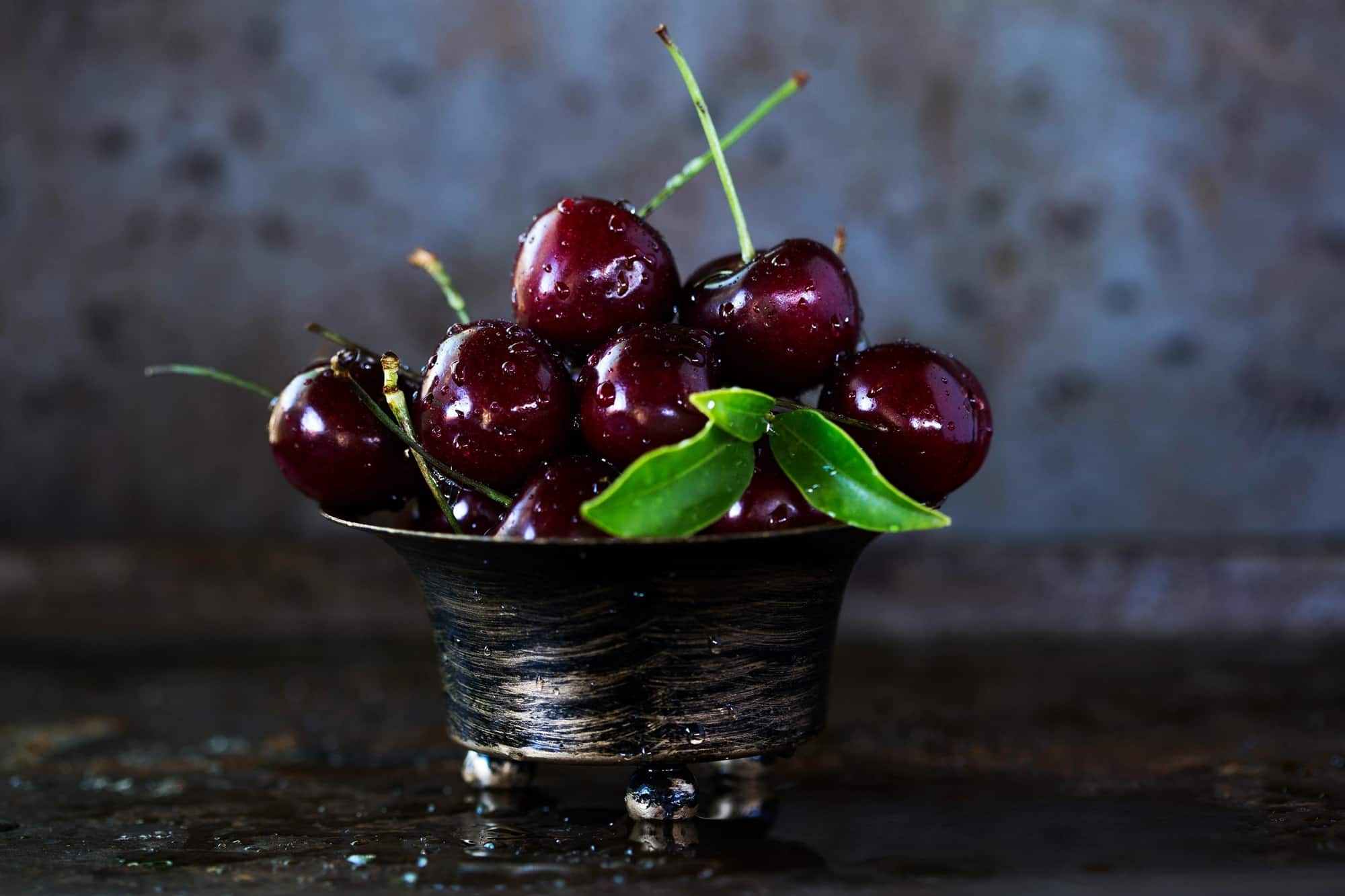
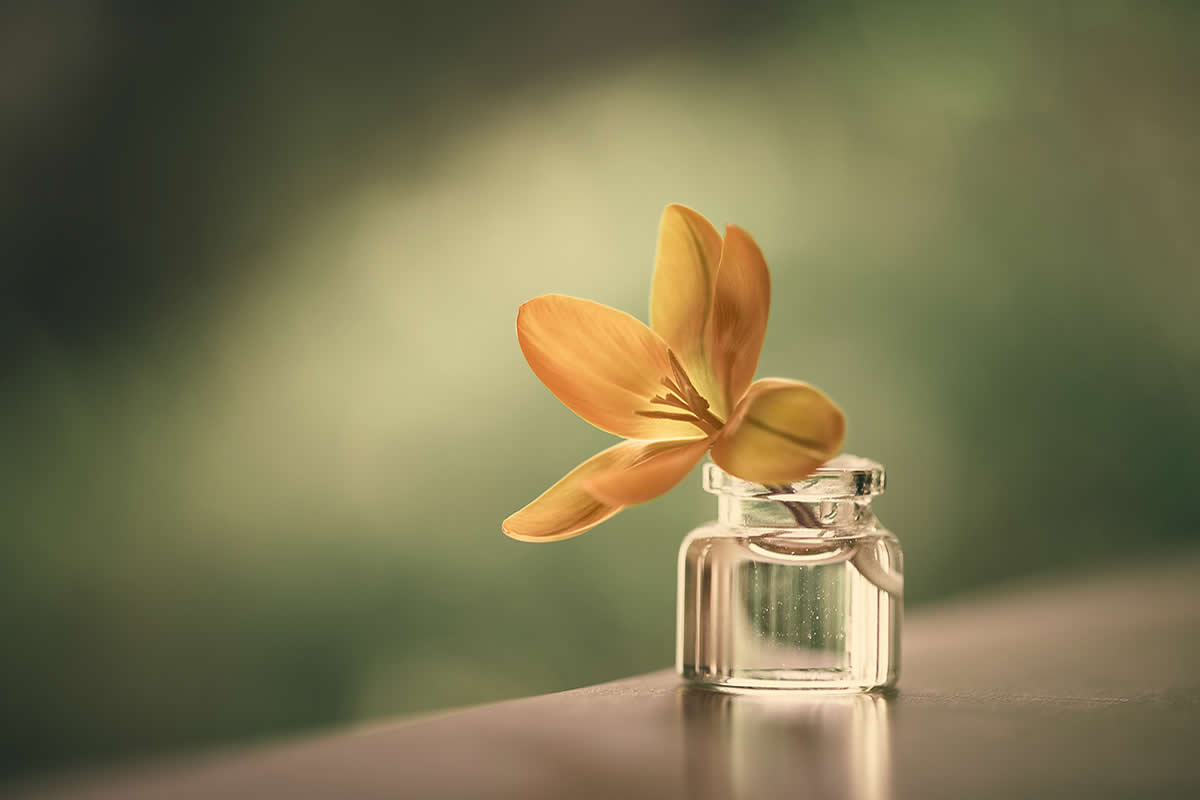
- Definition: Photographs of arranged inanimate objects, often telling a story or conveying a mood.
- Purpose: Practice control over every element in the frame — composition, lighting, and subject matter.
Examples: classical still life paintings, modern product photography.
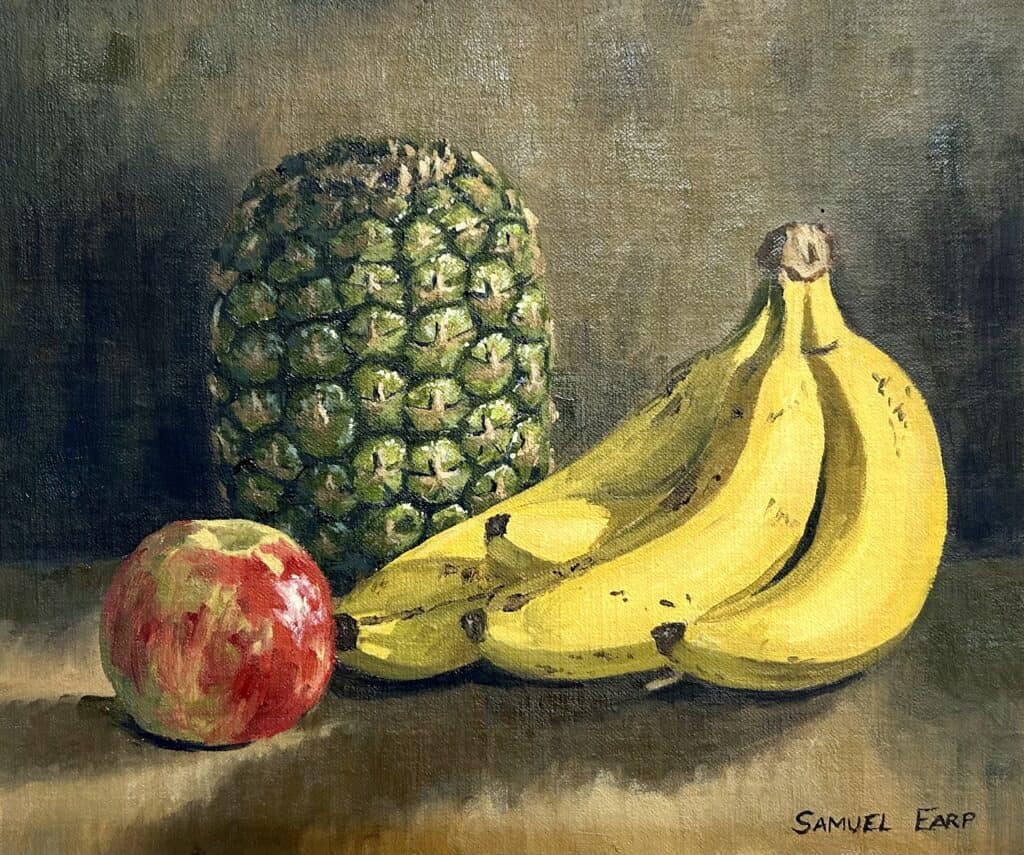
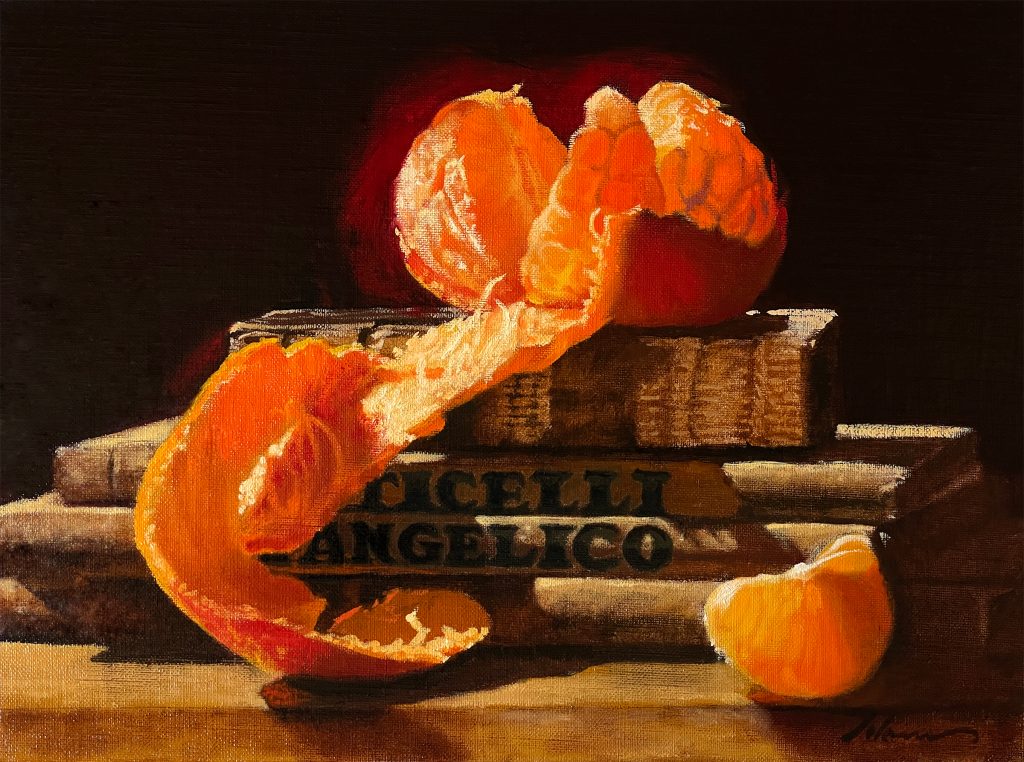

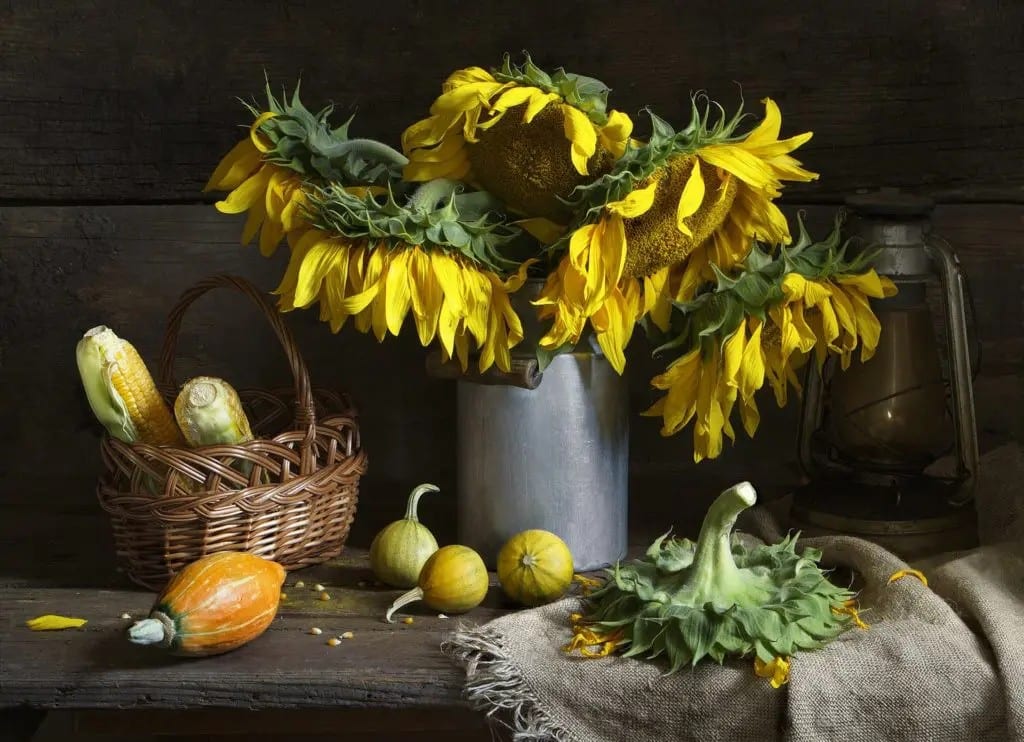

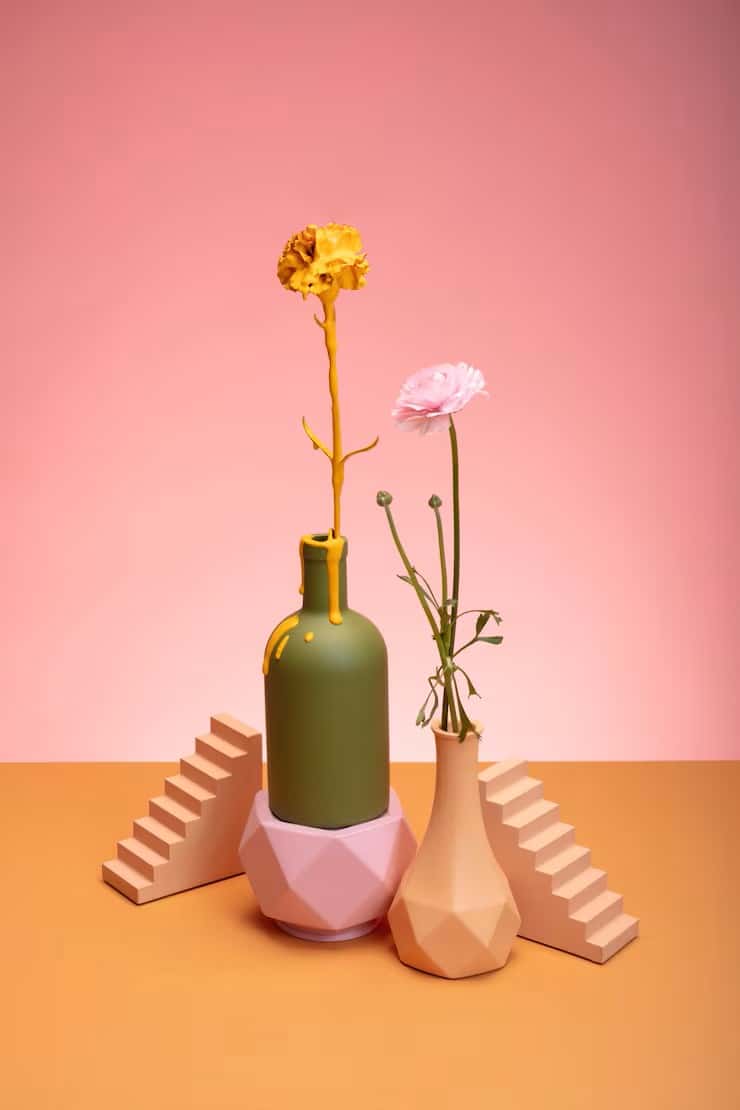

Composition & Lighting Tips
- Composition:
- Rule of Thirds for balance.
- Triangular or diagonal arrangements for visual interest.
- Use props to add depth and context.
- Lighting:
- Side lighting for texture and depth.
- Backlighting for mood and drama.
Diffused light for soft shadows.
Hands-On Practice
Activity: “Tabletop Storytelling”
- Students select 3–5 objects to arrange into a small scene.
- Take multiple shots experimenting with:
- Lighting direction (side, front, back).
- Depth of field (shallow vs deep).
- Backgrounds (light vs dark).
Make the arrangement tell a story.
Homework
- Assignment: Create one still life setup at home and photograph it in two different lighting setups (e.g., natural window light vs lamp light).